Decorative Classic Fence Forgery: Iron P and Its Impact on Modern Design
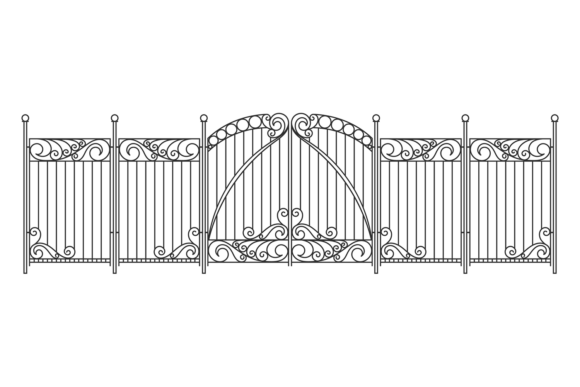
In the realm of architectural and landscape design, the fusion of historical aesthetics with modern functionality has become a defining trend. One such element that has captured attention is the concept of Decorative Classic Fence Forgery. This term, often associated with Iron P, refers to the replication or imitation of traditional ironwork fencing, particularly in the context of park gates and other ornamental structures. These designs, often isolated on white backgrounds in formats like EPS and JPG, serve as both functional barriers and artistic expressions.
The appeal of Decorative Classic Fence Forgery lies in its ability to evoke a sense of nostalgia while maintaining contemporary relevance. For designers and architects, it offers a way to integrate historical elements into modern spaces without the high cost or maintenance associated with authentic antique pieces. This approach is especially popular in urban planning, where the preservation of heritage aesthetics is balanced with the need for practical infrastructure.
Understanding Decorative Classic Fence Forgery
At its core, Decorative Classic Fence Forgery involves the creation of fences and gates that mimic the intricate patterns and craftsmanship of traditional ironwork. These replicas are often crafted using modern materials and techniques, allowing for greater durability and customization. The term Iron P typically refers to the specific style or pattern used in these designs, characterized by its elegant curves, geometric motifs, and ornate detailing.
One of the key aspects of this forgery is the use of digital tools to replicate classic designs. Formats like EPS (Encapsulated PostScript) and JPG (Joint Photographic Experts Group) enable designers to create detailed visual representations that can be easily modified and scaled. This digital versatility makes it simpler to incorporate these designs into various projects, from residential properties to public parks.
Advantages of Using Decorative Classic Fence Forgery
The benefits of Decorative Classic Fence Forgery extend beyond mere aesthetics. From a practical standpoint, these designs offer enhanced security and durability. Unlike traditional ironwork, which may require frequent maintenance due to rust and wear, modern replicas are often made from corrosion-resistant materials. This makes them ideal for outdoor environments where exposure to the elements is inevitable.
Another significant advantage is the flexibility they provide in terms of customization. Designers can modify the patterns, sizes, and colors of these fences to suit specific project requirements. This adaptability allows for a seamless integration with existing architectural styles, whether it's a historic building or a contemporary structure.
Additionally, the use of Iron P and similar patterns can enhance the visual appeal of any space. These designs add a touch of elegance and sophistication, making them a popular choice for commercial and residential properties alike. Whether it's a private garden or a public park, the right fence can transform the overall look and feel of an area.
Applications of Decorative Classic Fence Forgery
The applications of Decorative Classic Fence Forgery are diverse and far-reaching. In residential settings, these fences are commonly used to define property boundaries, enhance curb appeal, and provide a sense of privacy. Their ornate designs make them a popular choice for homeowners who want to add a touch of old-world charm to their homes.
In commercial contexts, these fences are often used to create a welcoming and professional atmosphere. Businesses such as cafes, boutique stores, and galleries frequently incorporate these designs to reflect their brand identity and attract customers. The presence of a beautifully crafted fence can signal quality and attention to detail, which are essential in the competitive retail environment.
Public spaces, including parks and recreational areas, also benefit from the use of Decorative Classic Fence Forgery. Park gates, for instance, serve both functional and aesthetic purposes. They not only control access but also contribute to the overall ambiance of the space. By isolating these gates on a white background, designers can highlight their intricate details and ensure they stand out as focal points within the landscape.
Considerations When Choosing Decorative Classic Fence Forgery
While Decorative Classic Fence Forgery offers numerous benefits, there are several factors to consider when selecting the right design. One of the most important is the intended use of the fence. For example, a gate that serves as a security barrier will require different specifications compared to one that is primarily for decorative purposes.
Another consideration is the material used in the construction of the fence. While traditional ironwork may be made from wrought iron, modern replicas can be crafted from a variety of materials, including aluminum, steel, and even composite materials. Each material has its own set of advantages and disadvantages, so it's essential to choose one that aligns with the project's goals and budget.
Additionally, the scale and proportion of the design should be carefully considered. A fence that is too large or too small for the space it occupies can disrupt the overall balance and harmony of the area. It's crucial to work with experienced designers who can help determine the appropriate size and placement for the fence.
Future Trends in Decorative Classic Fence Forgery
As design trends continue to evolve, the future of Decorative Classic Fence Forgery looks promising. With the increasing demand for sustainable and eco-friendly solutions, there is a growing interest in using recycled materials and energy-efficient manufacturing processes. This shift towards sustainability is likely to influence the development of new designs and techniques in the field.
Moreover, advancements in digital technology are expected to play a significant role in shaping the future of this craft. The use of 3D modeling and virtual reality tools can allow designers to visualize and test their creations before production, leading to more accurate and innovative results. These technologies also open up new possibilities for customization and personalization, enabling clients to have a greater say in the final product.
As we move forward, the integration of Decorative Classic Fence Forgery into modern architecture and design will continue to expand. Whether it's through the use of Iron P patterns or other traditional motifs, these designs offer a unique way to blend history with innovation. By understanding their characteristics, advantages, and applications, professionals and enthusiasts alike can make informed decisions that enhance both the beauty and functionality of their spaces.