Decorative Minimal Line Art Page Divider: A Timeless Addition to Modern Design
In the realm of design, where aesthetics and functionality often intersect, the Decorative Minimal Line Art Page Divider stands out as a versatile and elegant solution. These vintage-inspired line art dividers offer a subtle yet impactful way to enhance visual appeal across various mediums. Whether you're working on a luxury wedding invitation, a scrapbook layout, or a digital website, these ornate elements can elevate your project with a touch of timeless sophistication.
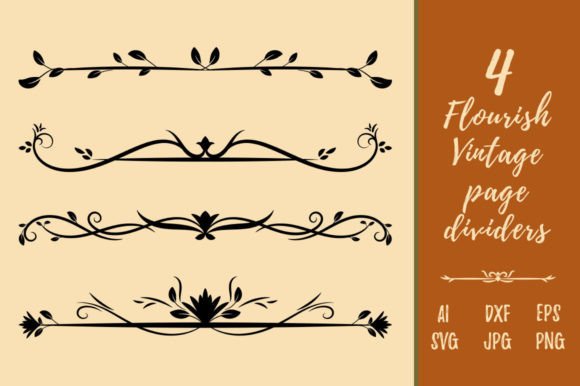
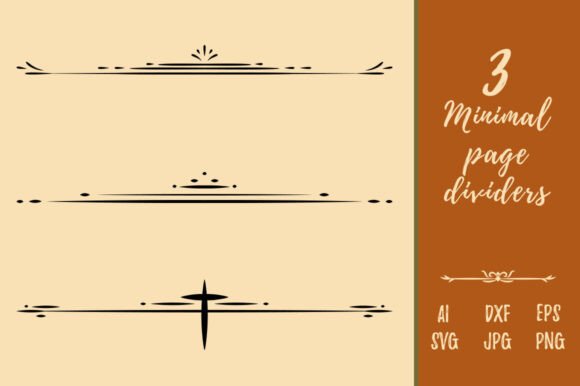
The collection features a set of three hand-drawn decorative vintage page dividers, each designed with intricate details that reflect a blend of minimalism and classic elegance. The designs are not only visually appealing but also highly functional, serving as effective separators that guide the eye through content while maintaining a cohesive aesthetic. Their versatility makes them suitable for both traditional and contemporary applications, ensuring they remain relevant in a wide range of creative fields.
Key Characteristics of Decorative Minimal Line Art Page Dividers
One of the standout features of these page dividers is their minimalist approach. Despite their ornate appearance, they maintain a clean and uncluttered look that complements modern design trends. This balance between simplicity and detail allows them to integrate seamlessly into various projects without overwhelming the overall composition.
Another notable characteristic is their high-quality production. Available in multiple formats such as AI, EPS, PNG transparent, JPG, DXF, and SVG, these dividers cater to different design needs and software preferences. The 300dpi resolution ensures that they retain clarity and sharpness, even when scaled up for larger prints. This attention to detail makes them ideal for professionals who require precision and consistency in their work.
The hand-drawn nature of these designs adds an element of uniqueness and craftsmanship. Unlike mass-produced graphics, each divider carries a personal touch that reflects the artist's skill and creativity. This aspect is particularly valuable for designers looking to add a custom feel to their projects, whether for commercial use or personal expression.
Practical Applications and Use Cases
The Decorative Minimal Line Art Page Divider finds its place in a variety of applications, making it a valuable asset for creators across different industries. In the context of luxury weddings, these dividers can be used to frame invitations, create elegant borders, or separate sections within a wedding program. Their vintage aesthetic aligns perfectly with the romantic and refined atmosphere often associated with such events.
For greeting cards and stationery, these dividers serve as a stylish way to add visual interest and structure. They can be incorporated into envelopes, inside pages, or as part of a larger design theme. Their adaptability allows them to complement both formal and casual card designs, offering a flexible solution for any occasion.
Scrapbooking enthusiasts will appreciate the ability to use these dividers as decorative elements that enhance the storytelling aspect of their projects. Whether placed between photos, journaling entries, or embellishments, they provide a cohesive and polished look that elevates the overall presentation. Their intricate patterns also allow for creative experimentation, encouraging users to explore new ways of incorporating them into their layouts.
In digital design, these dividers can be used to separate sections on websites, social media posts, or online portfolios. Their vector-based formats (such as SVG and EPS) ensure scalability without loss of quality, making them suitable for responsive web design. Additionally, their vintage style can add a nostalgic or artistic flair to digital content, helping to differentiate it from more generic templates.
Advantages of Using Decorative Minimal Line Art Page Dividers
One of the primary advantages of these dividers is their ability to enhance visual hierarchy. By creating clear boundaries between sections, they help organize content in a way that is both aesthetically pleasing and easy to navigate. This is particularly useful in documents, presentations, or online content where clarity and structure are essential.
Another benefit is their cost-effectiveness. Compared to hiring a designer to create custom graphics, these pre-designed dividers offer a budget-friendly alternative without compromising on quality. They are especially beneficial for small businesses, independent creators, and hobbyists who may not have the resources for extensive graphic design work.
Furthermore, the availability of multiple file formats ensures compatibility with a wide range of design software. Whether you're using Adobe Illustrator, Photoshop, or other graphic design tools, these dividers can be easily integrated into your workflow. This flexibility makes them a practical choice for designers who work across different platforms and projects.
Considerations for Effective Use
While these dividers offer numerous benefits, it's important to consider how they fit into the overall design concept. Overuse or improper placement can detract from the intended effect, so it's advisable to use them strategically. For instance, placing a divider between major sections of a document or website can improve readability without overwhelming the viewer.
Additionally, understanding the target audience is crucial when selecting and applying these elements. A vintage-style divider may resonate well with a niche market that appreciates historical or artisanal aesthetics, while a more modern design might be better suited for a broader audience. Tailoring the use of these dividers to the specific context ensures they contribute meaningfully to the final outcome.
Finally, staying informed about design trends and best practices can help maximize the impact of these dividers. Keeping an eye on how similar elements are used in successful projects can provide inspiration and guidance for integrating them effectively into your own work.