Decorative A, B, and C Characters: Stylish Design Elements for Modern Creativity
In a world where visual appeal plays a crucial role in communication, decorative A, B, and C characters have become more than just simple letterforms. These stylized designs offer a unique blend of artistry and functionality, making them valuable tools for designers, educators, and creative professionals. Whether used in branding, educational materials, or digital projects, the decorative elements surrounding these letters add a layer of sophistication that can elevate any design.
The rise of personalized and custom design solutions has fueled interest in decorative alphabets like A, B, and C. With their intricate patterns, line art details, and artistic flourishes, these characters serve as both aesthetic and practical assets. Their versatility allows them to be adapted across various mediums, from print to digital platforms, ensuring they remain relevant in an ever-evolving creative landscape.
Understanding Decorative A, B, and C Characters
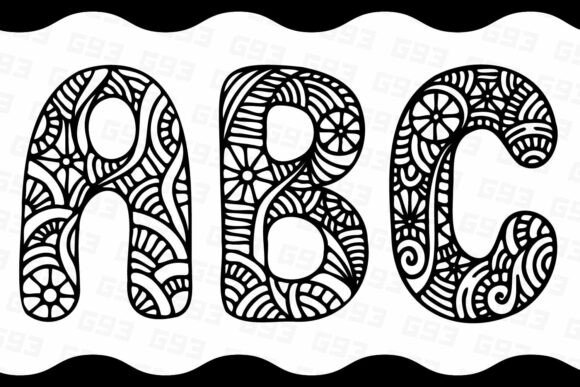
Decorative A, B, and C characters are not just standard uppercase letters—they are transformed through artistic interpretation. These designs often incorporate patterned elements, such as geometric shapes, floral motifs, or abstract lines, which give the letters a distinctive visual identity. The result is a fusion of typography and illustration that captures attention and conveys a sense of style.
What sets these characters apart is their ability to convey meaning beyond their basic function. For instance, a decorative A might feature wings, symbolizing leadership or aspiration, while a stylized B could include circular elements representing balance or unity. These subtle nuances make the letters more than just symbols—they become storytelling tools.
Modern design trends emphasize individuality and customization, and decorative letters like A, B, and C align perfectly with this shift. They allow creators to express their unique vision while maintaining a level of professionalism that resonates with audiences.
Trends Shaping the Use of Decorative Letters
As digital and print media continue to evolve, so do the expectations for visual content. Consumers today demand more than just clarity—they seek engagement, emotion, and personality in the designs they encounter. Decorative A, B, and C characters meet this demand by offering a visually compelling alternative to standard typography.
One of the key trends influencing this space is the growing preference for handcrafted and artisanal aesthetics. In a digital age dominated by mass-produced visuals, there is a renewed appreciation for designs that feel personal and intentional. Decorative letters, with their intricate details and artistic flair, fit this trend seamlessly.
Another factor driving interest in these characters is the increasing use of minimalism in design. While minimalist approaches often favor clean, unadorned typography, decorative letters can add depth and character without overwhelming the composition. This balance makes them ideal for projects that require both simplicity and visual interest.
Practical Applications for Decorative Letters
The usefulness of decorative A, B, and C characters extends beyond aesthetics. These designs can be applied in a variety of contexts, including branding, education, and marketing. For example, a logo featuring a stylized A can create a strong brand identity, while a decorated B might be used in a children's book to make learning more engaging.
For educators and content creators, decorative letters offer a way to enhance visual materials. In classrooms, they can be used to illustrate concepts, making lessons more interactive and memorable. Similarly, in digital content creation, these characters can help break up text and draw attention to key points.
Businesses also benefit from incorporating decorative letters into their visual strategies. Whether it’s for packaging, social media graphics, or advertising campaigns, these designs can differentiate a brand and leave a lasting impression on customers.
Exploring Different Formats and File Types
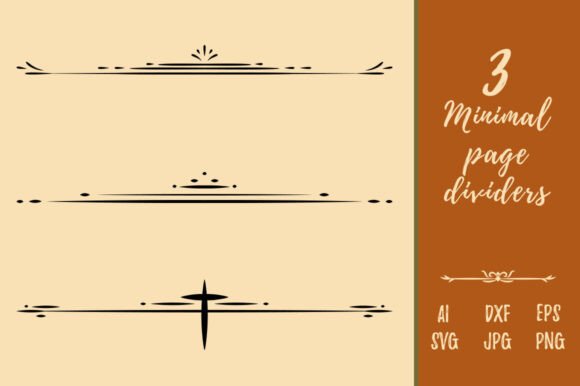
When working with decorative A, B, and C characters, the choice of file format plays a significant role in how the designs can be used. High-resolution JPG files provide excellent quality for print applications, while PNG files with transparent backgrounds offer flexibility for digital projects. SVG and AI formats ensure scalability and editability, making them ideal for graphic design workflows.
The inclusion of EPS files further expands the possibilities, allowing for seamless integration into professional design software like Adobe Illustrator. These vector-based formats preserve the integrity of the design, regardless of size or resolution, ensuring that the decorative elements remain sharp and clear in any context.
By offering multiple file types, creators and businesses can choose the most suitable option based on their specific needs. This adaptability ensures that decorative letters can be used effectively across different platforms and projects.
How to Incorporate Decorative Letters Into Your Work
Integrating decorative A, B, and C characters into your design work doesn’t require advanced skills—just a willingness to experiment. Start by exploring different styles and finding ones that align with your project’s goals. Whether you’re designing a logo, creating a poster, or developing a digital asset, these characters can add a touch of elegance and uniqueness.
For those new to design, using pre-made templates or downloadable assets can be a great starting point. Many resources offer high-quality, ready-to-use versions of decorative letters, saving time and effort while still delivering professional results. These assets can be customized to fit specific needs, allowing for greater creative freedom.
Additionally, understanding the principles of typography and design can help you make the most of these characters. Learning how to balance decorative elements with readability ensures that your final work remains effective and visually appealing.
Why Decorative Letters Matter in Today’s Creative Landscape
In a competitive creative industry, standing out is essential. Decorative A, B, and C characters provide a way to differentiate your work while maintaining a level of sophistication that resonates with audiences. Their ability to combine form and function makes them a valuable addition to any designer’s toolkit.
Moreover, as technology continues to advance, the demand for high-quality, adaptable design assets grows. Decorative letters, with their detailed patterns and scalable formats, meet this demand by offering a versatile solution for a wide range of applications. Whether you’re working on a small project or a large-scale campaign, these characters can help you achieve your goals.
Ultimately, the relevance of decorative letters lies in their ability to adapt and evolve alongside changing trends and technologies. As long as there is a need for visually engaging content, these stylized designs will remain a powerful tool for creators and professionals alike.