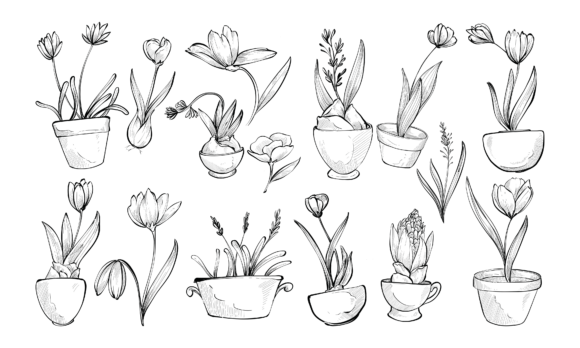
Integrating Illustration Decorative Borders into Professional Creative Workflows
In the landscape of digital design and content creation, the distinction between a functional draft and a polished final product often lies in the details. An Illustration Decorative Border serves as one of those critical finishing elements that can elevate a project from standard to standout. While often perceived merely as an aesthetic addition, these assets play a pivotal role in branding, user experience, and visual hierarchy when integrated correctly into a broader workflow. For professionals ranging from marketers and educators to freelancers and small business owners, understanding how to effectively source, manage, and implement these borders is essential for maintaining efficiency and quality.
When you acquire a resource such as an Illustration Decorative Border package—typically delivered as a ZIP file containing high-resolution JPGs—the immediate goal is not just to have the image, but to have a reliable component ready for deployment across various media. The utility of these borders extends far beyond simple decoration; they act as framing devices that guide the viewer's eye, establish tone, and create consistency across different deliverables.
Strategic Placement in the Project Lifecycle
The integration of decorative borders should be considered at multiple stages of a project, rather than as an afterthought. Depending on the nature of the work, these assets can influence the planning, execution, and final review phases.
During the Planning Phase: Before a single pixel is edited, knowing you have access to specific border styles can dictate the layout strategy. For instance, if you are designing a series of social media graphics or a digital workbook, selecting a border style early ensures that your content area is sized correctly. This prevents the common issue of text or key visual elements being obscured by intricate corner details later in the process. By defining the frame first, you establish clear boundaries for your content, streamlining the composition process.
During Execution: In the active creation phase, having a library of pre-vetted borders accelerates production. Instead of drawing custom frames for every new document—a time-consuming task that yields inconsistent results—you can drag and drop your Illustration Decorative Border assets directly into your canvas. This is particularly valuable for entrepreneurs and bloggers who need to maintain a rapid publishing schedule without sacrificing visual appeal. The ability to quickly apply a cohesive look allows you to focus your cognitive energy on the core message and content quality.
Post-Production and Quality Control: Once the primary content is assembled, borders serve as a unifying layer during the final review. They help mask minor alignment discrepancies and provide a finished edge to digital files. However, this stage also requires careful attention to resolution. Since many downloadable packs include JPG files, it is crucial to verify that the image quality holds up against your background colors and output requirements before finalizing the export.
Compatibility and Technical Implementation
One of the most practical challenges when working with downloaded assets like an Illustration Decorative Border is ensuring technical compatibility with your existing software stack. Most users will be working within environments like Adobe Photoshop, Illustrator, Canva, or even word processors like Microsoft Word and Google Docs. Understanding how the file format interacts with these tools is key to a smooth workflow.
Since the standard delivery often includes a JPG file, users must be aware of the limitations regarding transparency. A JPG does not support an alpha channel, meaning the border will likely come with a solid background (usually white). To integrate this seamlessly into a colored background or a complex image, you will need to employ specific techniques:
- Blending Modes: In photo editing software, setting the layer blending mode to "Multiply" can often make the white background disappear, leaving only the dark lines of the border visible. This is a quick fix for light-colored projects.
- Masking and Erasing: For more control, use a magic wand or selection tool to remove the background manually. This ensures clean edges, especially if your project background is not a solid color.
- Vector Tracing: For users requiring infinite scalability, importing the JPG into vector software and using an "Image Trace" function can convert the raster border into editable vector paths. This is ideal for large-format printing where pixelation is a risk.
It is also important to note that titles on marketplace listings are sometimes randomly generated and may be misleading. As a practitioner, you should always prioritize inspecting the actual product images over reading the file names. Verify the style, complexity, and resolution visually before downloading to ensure it matches your specific project needs.
Enhancing Brand Consistency and Visual Identity
For marketers and small business owners, consistency is the cornerstone of brand recognition. An Illustration Decorative Border can become a signature element of your visual identity if used strategically. Rather than rotating through dozens of different styles, select one or two distinct borders that align with your brand's personality—whether that is whimsical, corporate, vintage, or modern—and apply them consistently across all touchpoints.
This approach creates a subconscious association for your audience. When they see that specific frame, they immediately recognize the source of the content. This is effective for:
- Digital Products: E-books, checklists, and planners benefit greatly from consistent framing, making them look professional and cohesive.
- Social Media Campaigns: Using the same border style for quote cards or announcement posts creates a grid aesthetic that looks curated and intentional.
- Educational Materials: Teachers and course creators can use borders to delineate sections or highlight key takeaways, aiding in student engagement and information retention.
However, restraint is vital. Overusing decorative elements can lead to visual clutter, distracting from the core message. The border should support the content, not compete with it. A good rule of thumb is to ensure the border weight and complexity are proportional to the amount of whitespace in your design.
Organization and Asset Management
To maximize the long-term value of your purchased assets, proper organization is non-negotiable. When you download a ZIP file containing your Illustration Decorative Border, the workflow does not end with extraction. Establishing a logical folder structure ensures you can retrieve the right asset when deadlines are tight.
Consider categorizing your borders by style (e.g., floral, geometric, hand-drawn), orientation (horizontal, vertical, corner pieces), or intended use case (social media, print, web). Tagging files with relevant keywords within your operating system or digital asset management (DAM) tool can further speed up retrieval. This level of preparation transforms a simple image file into a reusable resource that pays dividends over time.
Furthermore, keeping a "favorites" subfolder for your most frequently used borders can streamline your daily operations. By curating a shortlist of go-to assets, you reduce decision fatigue and maintain a faster turnaround time for client work or personal projects.
Maximizing Value Through Community and Feedback
The ecosystem of digital resources thrives on community interaction. When you utilize a specific Illustration Decorative Border pack, your experience contributes to the broader knowledge base. Leaving a review or providing feedback helps creators understand what works well and what could be improved, such as offering PNG versions with transparency or higher resolution options.
Engaging with the creator by following their updates or checking comments sections can also alert you to new releases or complementary assets that fit your workflow. If you have specific needs—such as requiring a different file type or a variation in style—communicating this in the comments can sometimes lead to customized solutions or future product updates that benefit everyone.
In conclusion, an Illustration Decorative Border is more than just a static image; it is a versatile tool that, when managed and implemented with intention, enhances the professionalism and coherence of your creative output. By focusing on preparation, technical compatibility, and strategic application, you can seamlessly integrate these assets into your routine, saving time while elevating the quality of your work. Whether you are finalizing a marketing deck, designing a classroom handout, or launching a new product line, the right frame can make all the difference in how your content is perceived and received.