Decorative Plants Handdrawn Collection: A Strategic Tool for Creative and Professional Growth
The Decorative Plants Handdrawn Collection offers a unique blend of artistry and practicality, making it more than just an aesthetic choice. For professionals, entrepreneurs, and creators, this collection can serve as a valuable resource that enhances visual communication, supports branding efforts, and fosters creativity. Understanding how to strategically incorporate hand-drawn decorative plants into various projects can lead to better decision-making and improved outcomes across multiple industries.
What Is the Decorative Plants Handdrawn Collection?
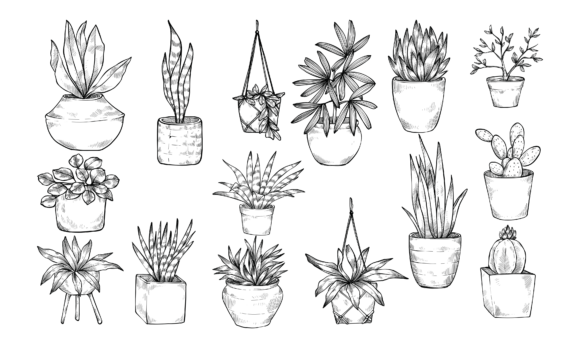
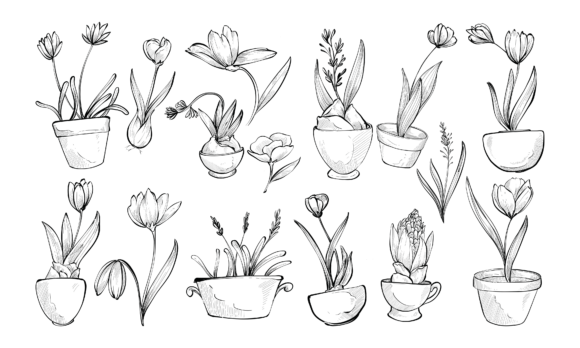
The Decorative Plants Handdrawn Collection consists of original illustrations of plants, often created with a freehand or organic style. These drawings are not only visually appealing but also versatile, allowing them to be used in a wide range of applications. From digital design to print media, these hand-drawn elements provide a personal touch that can differentiate a project from others. The collection typically includes a variety of plant types—such as succulents, ferns, cacti, and flowering plants—each rendered with attention to detail and artistic flair.
Unlike mass-produced graphics, hand-drawn elements carry a sense of authenticity and uniqueness. This makes them particularly useful for brands aiming to convey a human-centered or artisanal approach. Whether used in marketing materials, packaging, or website design, the Decorative Plants Handdrawn Collection can help create a cohesive and memorable visual identity.
Strategic Value in Goal Achievement and Planning
Incorporating the Decorative Plants Handdrawn Collection into your planning process can have a direct impact on goal achievement. For instance, when designing a brand’s visual assets, using hand-drawn elements can help establish a consistent theme that aligns with the company's values and target audience. This consistency is crucial for building brand recognition and trust over time.
When developing a content strategy, the use of hand-drawn plants can enhance the storytelling aspect of your work. Whether you're creating blog posts, social media content, or educational materials, these illustrations can add depth and visual interest. They can also serve as a tool for organizing information, such as using plant diagrams to explain growth cycles or environmental benefits.
Use Cases and Practical Applications
The Decorative Plants Handdrawn Collection is particularly effective in scenarios where visual engagement is key. For example, in the realm of interior design, hand-drawn plant illustrations can be used to create mood boards or visualize space arrangements. In the context of education, they can be integrated into lesson plans to make learning about botany or ecology more interactive and engaging.
Entrepreneurs launching eco-friendly products may find the collection useful for packaging design. A hand-drawn succulent or leaf can communicate sustainability and care, reinforcing the brand’s message. Similarly, small businesses looking to improve their online presence can use these illustrations to enhance their website layouts, making the content more inviting and visually compelling.
How to Approach the Decorative Plants Handdrawn Collection
To maximize the benefits of the Decorative Plants Handdrawn Collection, it's important to approach its use with intention. Start by identifying the specific goals you want to achieve. Are you looking to enhance your brand image? Improve user experience on your website? Or simply add a creative element to your projects?
Once your objectives are clear, consider the context in which the illustrations will be used. For example, a minimalist design might benefit from subtle, low-detail plant sketches, while a more vibrant project could incorporate bold, colorful hand-drawn elements. It's also essential to ensure that the collection aligns with your overall visual language and doesn’t clash with other design elements.
Another consideration is the source of the collection. If you're working with a team or collaborating with designers, make sure everyone understands the intended use and style guidelines. This helps maintain a unified look and avoids confusion or inconsistency.
Planning Tips for Effective Integration
Before integrating the Decorative Plants Handdrawn Collection into your work, take time to plan how it will fit within your existing framework. One helpful step is to create a style guide that outlines the appropriate use of the illustrations. This guide can include details such as color palettes, placement rules, and examples of successful implementations.
Additionally, consider the scalability of the collection. If you're planning to use the illustrations across multiple platforms—such as social media, print, and digital content—it’s important to ensure they remain recognizable and consistent in all formats. This might involve adjusting the size, resolution, or level of detail depending on the medium.
Testing is another crucial step. Before finalizing any project, experiment with different placements and combinations of the hand-drawn elements. This allows you to see how they interact with other visuals and text, ensuring that the overall design remains balanced and effective.
Risks of Using Without Clear Goals
While the Decorative Plants Handdrawn Collection offers many benefits, using it without a clear purpose can lead to ineffective results. Randomly adding illustrations without considering their relevance or impact may dilute your message or confuse your audience. This is especially true if the designs don’t align with your brand’s identity or the intended tone of your content.
Another risk is overuse. Too many hand-drawn elements can overwhelm the viewer and make the design feel cluttered. It's important to strike a balance between creativity and clarity, ensuring that the illustrations enhance rather than distract from the main message.
Finally, failing to account for technical limitations can also be problematic. Some hand-drawn designs may not scale well or may require additional editing to fit specific formats. Always verify that the collection meets your technical requirements before incorporating it into your work.
Long-Term Benefits of Intentional Use
When used intentionally, the Decorative Plants Handdrawn Collection can contribute to long-term success. By consistently applying these illustrations in a thoughtful manner, you can build a strong visual identity that resonates with your audience. This consistency can increase brand loyalty and recognition over time.
Moreover, the collection can support ongoing creative development. As you experiment with different styles and applications, you may discover new ways to leverage hand-drawn elements in your work. This continuous exploration can lead to innovation and fresh ideas, keeping your projects dynamic and engaging.
For educators and trainers, the collection can also serve as a valuable teaching tool. Using hand-drawn plants in lessons or presentations can make complex topics more accessible and relatable. This can improve learning outcomes and encourage deeper engagement with the material.
Conclusion: Embracing Strategy Over Trend
The Decorative Plants Handdrawn Collection is more than a passing trend—it's a strategic asset that can be leveraged to achieve meaningful results. By understanding its value, planning its use carefully, and avoiding common pitfalls, professionals and creators can unlock its full potential. Whether you're enhancing your brand, improving your content, or exploring new creative avenues, this collection offers a powerful way to express ideas with both style and substance.