Elevating Wedding Stationery with Custom Decorative Borders
The visual language of a wedding begins long before the ceremony starts; it commences the moment an invitation is pulled from an envelope. In the realm of event planning and graphic design, Decorative Borders Wedding Design serves as the foundational frame that sets the tone for the entire celebration. These ornamental elements are not merely aesthetic afterthoughts but are critical components that define style, convey formality, and guide the viewer's eye. Whether utilized in digital save-the-dates or high-end letterpress invitations, the strategic application of borders transforms standard layouts into cohesive works of art.
For professionals and hobbyists alike, understanding the nuances of border design is essential. A well-chosen border acts as a container for information, creating a sense of order amidst the creative chaos of wedding planning. It bridges the gap between the couple's personality and the expectations of their guests. When designers integrate these elements effectively, they provide a tangible preview of the event's atmosphere, be it rustic, modern, vintage, or avant-garde.
The Strategic Role of Framing in Invitation Layouts
In graphic composition, negative space is just as important as the content itself. Decorative borders function as the definitive boundary between the white space of the paper and the crucial details of the event. Without a defined edge, text can appear to float aimlessly, causing cognitive strain for the reader. A robust border design anchors the typography, ensuring that names, dates, and locations are presented with clarity and hierarchy.
Consider the psychological impact of different border styles. A heavy, intricate floral frame suggests tradition, opulence, and a formal black-tie affair. Conversely, a minimalist, single-line geometric border implies modernity, simplicity, and an intimate gathering. The choice of border directly influences the recipient's perception of the event's scale and dress code. Designers must therefore treat the border not as a clip-art addition, but as an integral part of the brand identity for the wedding.
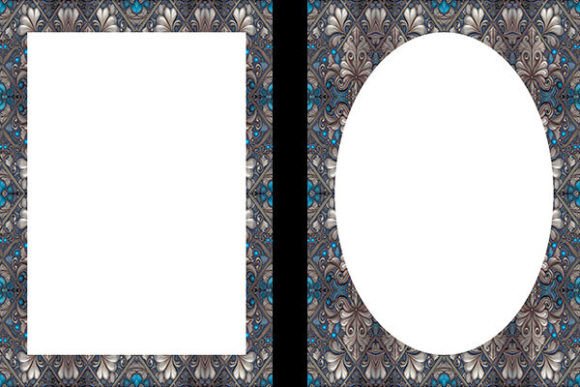
Furthermore, borders offer a solution to common layout challenges. When dealing with varying lengths of text or asymmetrical information blocks, a strong outer perimeter creates a unified shape. This allows the interior content to breathe without the design feeling unbalanced. For those utilizing templates or pre-made assets, such as a JPG file containing a specific border motif, the key lies in scaling and positioning. The border must complement the aspect ratio of the card stock, whether it is a standard 5x7 inch invitation or a square format.
Versatility Across Different Media Formats
The utility of wedding border designs extends far beyond physical paper goods. In an era where digital communication is paramount, these assets are increasingly vital for online platforms. A consistent border motif used on physical invitations can be repurposed for wedding websites, email headers, and social media announcements. This cross-platform consistency reinforces the visual theme and aids in guest recognition.
- Print Applications: High-resolution borders are essential for offset printing, letterpress, and foil stamping. The line weight must be sufficient to hold ink without bleeding, especially when using textured papers.
- Digital Displays: For screens, borders must be optimized for RGB color spaces. They serve as frames for photo slideshows or background textures for RSVP forms.
- Mercantile Use: Small business owners selling DIY wedding kits often bundle border graphics with matching fonts and icons, providing a comprehensive design suite for consumers.
When working with digital files, such as the single JPG mentioned in many asset packs, users must be mindful of resolution. A low-resolution image may look acceptable on a smartphone screen but will appear pixelated when printed on cardstock. Professionals always verify that the source file meets the 300 DPI standard required for professional printing. If a designer finds that a specific border style is missing from their library, communicating with creators to request specific uploads ensures the final product meets exacting standards.
Navigating Style Trends and Aesthetic Choices
The landscape of wedding design is perpetually evolving, yet certain border aesthetics maintain enduring popularity while others surge with seasonal trends. Understanding these shifts allows creators to produce work that feels both timeless and contemporary. Currently, there is a marked divergence between maximalist and minimalist approaches in Decorative Borders Wedding Design.
On one end of the spectrum, the "botanical explosion" trend utilizes dense, hand-drawn foliage that wraps around the corners and edges of the invitation. These designs often incorporate eucalyptus, olive branches, or wildflowers, appealing to couples planning garden or outdoor ceremonies. The complexity of these borders requires careful layering; the text must sit clearly atop or within the greenery without becoming illegible.
On the opposite end, Art Deco revival continues to influence modern weddings. Geometric borders featuring sharp lines, sunburst patterns, and metallic accents provide a sleek, sophisticated look. These designs rely on precision and symmetry. When implementing such borders, alignment is critical. Even a slight deviation in a geometric pattern can disrupt the entire visual harmony of the piece.
Another emerging category is the "hand-lettered" border, which mimics the look of ink sketches or watercolor washes. These imperfect, organic lines add a human touch that resonates with couples seeking a personalized, less corporate feel. Unlike vector-based geometric shapes, these borders often possess variable opacity and texture, adding depth to the flat surface of the invitation.
Technical Considerations for Implementation
Integrating decorative borders into a design workflow requires attention to technical details that go beyond simple placement. For educators teaching graphic design or researchers studying visual communication, the mechanics of how these borders interact with other elements provide rich case studies.
Color Management is perhaps the most critical factor. A border that looks vibrant on a monitor may print dullly if not converted to the correct CMYK profile. Additionally, when using foil stamping, the border design must be simplified to ensure the foil adheres correctly; overly fine lines may not transfer well. Designers should always request physical proofs when possible to verify that the border retains its integrity during the printing process.
File formats also dictate usability. While a JPG is convenient for quick previews and digital mockups, it is a raster format that loses quality when scaled up. For professional production, vector formats like EPS or AI are preferred as they allow for infinite scalability without loss of detail. However, many consumers and hobbyists rely on high-quality JPGs due to software limitations. In these cases, it is imperative to use the file at its native size or smaller to avoid degradation.
Layering is another technique that enhances the utility of borders. By placing a semi-transparent overlay between the border and the text, designers can improve readability against busy patterns. This is particularly useful for photographic borders where the background image might compete with the typography. The goal is always to ensure that the decorative element supports the message rather than obscuring it.
Empowering Creators and Consumers Through Accessible Design
The democratization of design tools has empowered a broader audience to create professional-grade wedding materials. Platforms offering downloadable assets have made high-quality Decorative Borders Wedding Design accessible to non-designers. This shift has fostered a culture of creativity where individuals can customize their stationery to reflect unique stories without the prohibitive costs of hiring a bespoke agency.
For the consumer, the ability to mix and match borders with different fonts and colors offers a sense of ownership over the wedding planning process. It allows for experimentation; a couple can visualize how a navy blue border compares to a blush pink one before committing to a print run. This iterative process is valuable for refining the overall aesthetic of the event.
However, with great accessibility comes the responsibility of curation. Not all available assets are created equal. Users must develop a keen eye for quality, looking for clean lines, balanced proportions, and appropriate resolution. Reviews and community feedback play a significant role here. When a user leaves a review noting the quality of a file or suggesting improvements, it aids the entire ecosystem, helping creators refine their offerings and guiding future buyers toward the best resources.
Moreover, the collaborative nature of online design communities encourages the sharing of knowledge. When a creator notes that titles in a file pack are randomly generated, it signals to the user to focus on the visual potential of the images rather than the placeholder text. This transparency builds trust and ensures that users approach the assets with the right mindset—seeing them as raw materials for their own creativity rather than finished products.
Future Directions in Ornamental Design
As technology advances, the application of wedding borders is poised to expand into new dimensions. Augmented reality (AR) invites could soon feature animated borders that come to life when viewed through a smartphone camera. Imagine a floral border that blooms in real-time or a geometric frame that shifts colors based on the viewing angle. These innovations will require designers to think beyond static images and consider motion and interactivity.
Sustainability is also influencing design choices. There is a growing preference for borders that optimize paper usage, minimizing waste during the cutting process. Designs that fit efficiently onto standard sheet sizes reduce material costs and environmental impact. This practical consideration adds a layer of ethical decision-making to the aesthetic selection process.
Ultimately, the power of a decorative border lies in its ability to frame a moment in time. It encapsulates the anticipation, joy, and significance of a wedding day. Whether rendered in gold foil on heavyweight cotton paper or displayed as a digital header on a mobile device, the border remains a silent narrator of the couple's story. By mastering the selection and implementation of these elements, designers and planners can ensure that the first impression of the wedding is as memorable as the event itself.
In conclusion, the thoughtful integration of Decorative Borders Wedding Design elevates ordinary communications into extraordinary keepsakes. It requires a blend of artistic intuition and technical proficiency to select the right style, manage the files correctly, and apply the design across various media. As the industry evolves, the fundamental principle remains unchanged: a good frame enhances the picture, and a great border defines the experience.