Elevating Visual Storytelling: A Comprehensive Guide to Decorative Frame Designs with Flower Borders
In the vast landscape of visual communication, from digital marketing assets to physical wedding invitations, the details often make the difference between a forgettable image and a captivating piece of art. One of the most enduring and versatile elements in design is the decorative frame design flower border. While it may seem like a simple addition to the edge of a photograph or document, this element carries significant weight in how viewers perceive and interact with content. Understanding the nuances of floral framing allows creators, business owners, and hobbyists to elevate their projects from standard to professional.
This article explores the purpose, significance, and practical application of floral borders in modern design. Whether you are downloading a single JPG file for a quick social media post or integrating complex vector patterns into a branding suite, grasping the context of these designs is essential for maximizing their impact.
The Psychology and Purpose of Floral Framing
Why do we instinctively gravitate toward images enclosed in ornate, nature-inspired borders? The answer lies in the psychology of perception. A decorative frame serves as a visual cue that tells the brain, "This content is special." It creates a boundary that separates the subject matter from the surrounding noise, forcing the viewer's eye to focus inward. When that frame incorporates flower motifs, it adds a layer of organic warmth and elegance that rigid geometric lines often lack.
Floral borders have been used for centuries, from illuminated manuscripts in the Middle Ages to Victorian-era calling cards. Today, their purpose remains consistent but has evolved to fit modern aesthetics. They serve three primary functions:
- Focus and Containment: They direct attention to the central image or text, preventing the eye from wandering off the page or screen.
- Tone Setting: Flowers immediately convey specific emotions—romance, growth, freshness, or celebration. A border of roses suggests a different mood than a border of wildflowers or succulents.
- Brand Consistency: For businesses, a signature floral frame can become a recognizable part of their visual identity, appearing on everything from menus to packaging.
Clarifying Common Misunderstandings
Before diving into practical applications, it is important to address a common confusion in the digital marketplace. When searching for resources, you may encounter titles that seem randomly generated or misleading, such as generic file names that do not accurately describe the visual content. This is a frequent occurrence in stock asset libraries where metadata is sometimes automated.
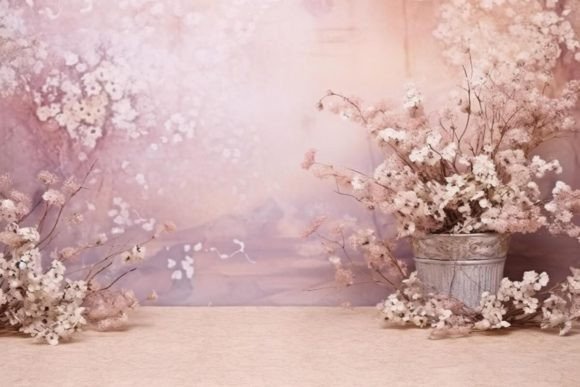
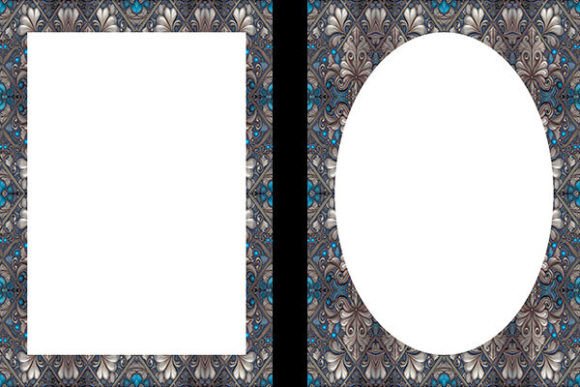
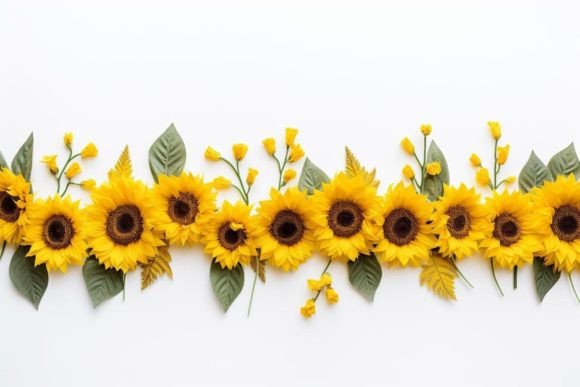
Key Takeaway: Always prioritize the product images over the text title when selecting a design. A file named "Image_001.jpg" might contain a breathtaking peony border, while a file titled "Luxury Gold Frame" might be something entirely different. Trust your eyes. If you are sourcing these assets for a project, look for high-resolution previews that show the intricate details of the petals and leaves, ensuring they match your aesthetic needs rather than relying solely on the filename.
Practical Relevance in Modern Life and Business
The utility of a decorative frame design flower border extends far beyond simple decoration. In today's digital-first world, these assets are crucial tools for various sectors.
1. Social Media and Digital Marketing
In the scroll-heavy environment of Instagram, Pinterest, and Facebook, stopping the user's thumb is the ultimate goal. A well-placed floral border can turn a standard product photo into a lifestyle statement. For example, a bakery using a delicate lavender border around an image of scones instantly communicates freshness and artisanal quality. These frames act as a subtle form of branding without needing to overlay heavy logos that might obscure the product.
2. Event Planning and Stationery
Perhaps the most traditional use case is in the event industry. Wedding invitations, baby shower announcements, and funeral programs rely heavily on floral themes. A flower border provides a cohesive theme that ties together the invitation, the menu, and the place cards. It sets the expectation for the event's atmosphere before the guest even arrives.
3. Education and Presentation
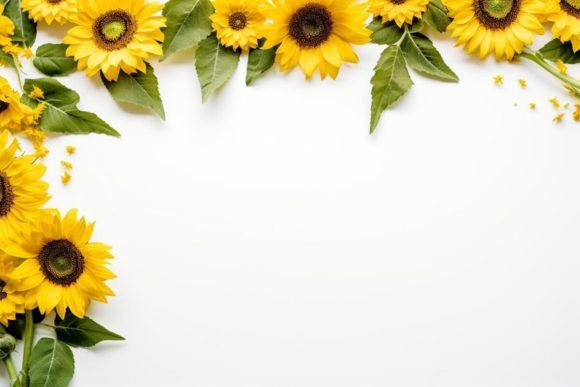
Even in educational settings, these designs have a place. Teachers creating worksheets for younger students often use friendly, colorful flower borders to make the material feel less intimidating and more engaging. Similarly, in corporate presentations, a subtle, monochromatic floral corner element can soften a slide deck, making the data feel more approachable and less sterile.
Technical Considerations: Working with JPG Files
When you acquire a decorative frame, you will often receive it in a specific file format, commonly a JPG file. Understanding how to work with this format is vital for achieving a professional result.
A JPG (Joint Photographic Experts Group) is a raster image format. Unlike vector files (SVG or AI) which can be scaled infinitely without losing quality, JPGs are made of pixels. When you download a ZIP file containing a single JPG of a flower border, keep the following in mind:
- Resolution Matters: Ensure the JPG is high resolution (typically 300 DPI for print or at least 1080px wide for web). If you stretch a small JPG to fit a large banner, the flowers will become pixelated and blurry.
- Transparency Limitations: Standard JPGs do not support transparent backgrounds. This means your flower border will likely come with a white (or colored) box behind it. To use it effectively, you may need to use photo editing software to remove the background or blend it using "Multiply" or "Screen" blending modes, depending on your project's background color.
- Layering: Since you are working with a flat image, place the border layer above your content in your design software. If the border is meant to be a corner piece, ensure it doesn't cover critical text or faces in your main image.
Integration Tips for Beginners
If you are new to design, start simple. Do not try to create a complex collage immediately. Take your main image, place it on a canvas, and overlay the flower border as the top layer. Adjust the opacity slightly if the flowers feel too overpowering. Remember, the frame should complement the subject, not compete with it.
The Broader Context: Creativity and Customization
While pre-made assets are incredibly time-saving, they also serve as a foundation for creativity. Many designers take a standard floral border and modify it—changing the hue to match brand colors, adding drop shadows for depth, or combining multiple floral elements to create a unique composition.
It is also worth noting the shift towards sustainability in design themes. Modern floral borders often feature native wildflowers, dried botanicals, or minimalist line art, reflecting a contemporary appreciation for nature and simplicity. This contrasts with the heavy, baroque-style floral frames of the past, showing how design trends evolve alongside cultural values.
Conclusion: The Value of Attention to Detail
In conclusion, a decorative frame design flower border is much more than a digital accessory; it is a strategic design choice that influences perception, emotion, and engagement. Whether you are a small business owner looking to polish your social media presence, a student creating a visually appealing report, or a professional designer seeking the perfect finishing touch, understanding how to select and utilize these frames is invaluable.
Remember to look past misleading file titles and focus on the visual quality of the images. By mastering the integration of these organic elements into your work, you add a layer of sophistication and care that resonates with your audience. As you continue to explore the world of design, consider how these small details contribute to the larger story you are telling.
Final Thought: Design is in the details. A simple flower can transform a plain page into a garden of ideas. If you find value in these resources and techniques, sharing your feedback helps the community grow. Leaving a review or following creators who provide high-quality assets ensures that more useful tools remain available for everyone. Keep experimenting, keep learning, and let your creativity bloom.