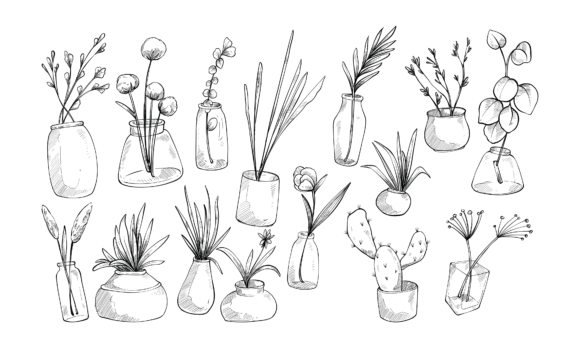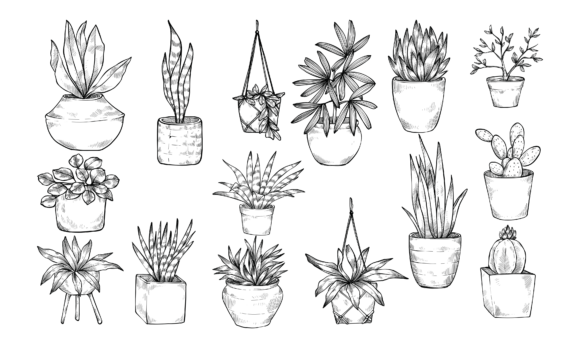
Decorative Plants Handdrawn Illustration
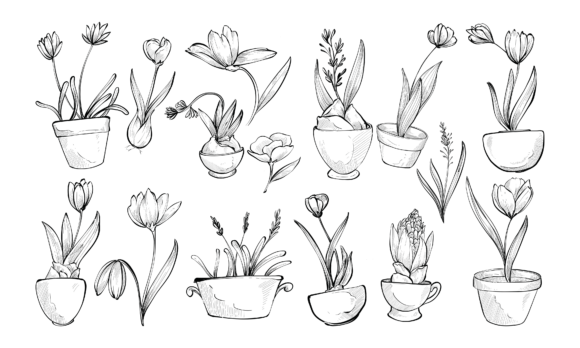
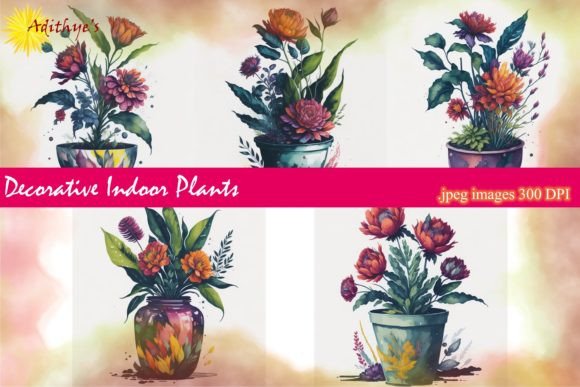
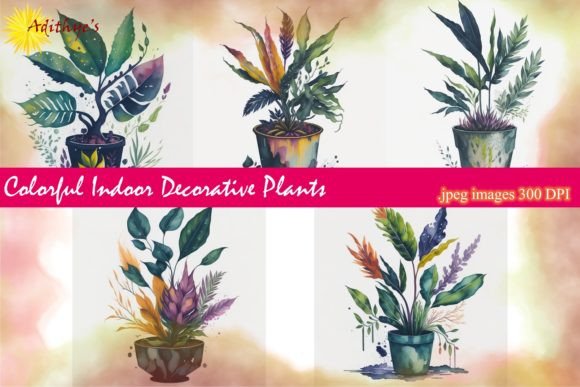
Decorative Plants Handdrawn Illustration is a unique visual style that blends the organic beauty of nature with the artistry of hand-drawn elements. This type of illustration often features stylized foliage, flowers, and greenery rendered in a freehand, expressive manner. The result is a warm, inviting aesthetic that feels both authentic and creative.
Unlike rigid digital graphics, Decorative Plants Handdrawn Illustration carries a personal touch. Each line, curve, and detail is crafted with care, giving the design a sense of individuality and charm. This makes it ideal for projects that aim to evoke a sense of creativity, simplicity, or connection to nature.
The visual characteristics of this style are varied but often include soft edges, subtle textures, and a mix of geometric and organic shapes. Some illustrations may lean toward a minimalist approach, while others embrace a more detailed, intricate look. The personality of the design can range from playful and whimsical to elegant and refined, depending on the artist’s interpretation.
Where Decorative Plants Handdrawn Illustration Shines
This style works exceptionally well in creative and branding contexts where a human element is desired. It’s a popular choice for logo design, especially for eco-friendly brands, wellness businesses, or artisanal products. The handcrafted feel adds a layer of authenticity that resonates with audiences looking for something unique and meaningful.
In editorial design, Decorative Plants Handdrawn Illustration can be used to enhance book covers, magazine layouts, or blog headers. Its ability to convey a natural, organic vibe makes it perfect for content related to gardening, sustainability, or lifestyle topics. When paired with clean typography, it creates a balanced, visually appealing composition.
For packaging design, this style brings a tactile, artisanal quality to product labels and boxes. It’s particularly effective for items like candles, skincare products, or organic food brands. The illustration helps differentiate the product on the shelf while reinforcing the brand’s values.
In web design and social media graphics, Decorative Plants Handdrawn Illustration can serve as a focal point or background element. It adds visual interest without overwhelming the user, making it ideal for landing pages, banners, or promotional materials. When used sparingly, it enhances the overall aesthetic without sacrificing readability.
How Decorative Plants Handdrawn Illustration Influences Design
One of the key benefits of using Decorative Plants Handdrawn Illustration is its impact on visual hierarchy. Because it’s a display-style element, it naturally draws attention and can be used to highlight important information or create a focal point in a layout. However, it’s essential to balance it with other design elements to avoid clutter or confusion.
From a brand perception standpoint, this style can communicate values such as creativity, sustainability, and craftsmanship. It helps build an emotional connection with the audience by evoking a sense of warmth and authenticity. Brands that want to appear approachable and genuine often use this style to reinforce their identity.
Consistency is crucial when incorporating Decorative Plants Handdrawn Illustration into a larger design system. Whether it’s used in print or digital formats, the style should remain cohesive across all touchpoints. This ensures that the brand’s visual language remains clear and recognizable to the audience.
Audience engagement is another area where this style excels. Its friendly, handcrafted appearance can make content more relatable and memorable. It’s especially effective in campaigns targeting younger demographics who value authenticity and creativity.
Choosing and Using Decorative Plants Handdrawn Illustration
When selecting Decorative Plants Handdrawn Illustration for a project, consider the tone and purpose of the work. For a professional setting, a more refined and structured version might be appropriate. For a casual or artistic project, a looser, more expressive style could be better suited.
Evaluating project fit involves looking at how the illustration interacts with other design elements. Test different font pairings to ensure the overall composition remains balanced. A handwritten or script font might complement the illustration, while a modern sans serif could provide contrast and clarity.
Reviewing the included styles is also important. Many decorative plant illustrations come in multiple variations—some with outlines, others with solid fills or color options. Choose the version that best matches your design needs and technical requirements.
Readability should never be overlooked. While Decorative Plants Handdrawn Illustration is visually appealing, it shouldn’t interfere with the legibility of text or key messages. Use it strategically, ensuring there’s enough space and contrast to maintain clarity.
Commercial licensing is another consideration. Make sure the font or illustration you choose allows for the intended use, whether it’s for a personal project, a small business, or a large-scale campaign. Always check the license terms to avoid any legal issues.
Practical Recommendations for Designers
Start by experimenting with different applications of Decorative Plants Handdrawn Illustration. Try using it in a variety of formats—social media posts, email newsletters, or printed materials—to see how it performs in different contexts. This will help you understand its strengths and limitations.
Observe how other designers have used this style in their work. Look for examples in branding, packaging, and editorial design to get a sense of what works well and what doesn’t. This can inspire new ideas and help refine your own approach.
Finally, don’t be afraid to combine Decorative Plants Handdrawn Illustration with other design elements. Pair it with bold typography, clean lines, or subtle textures to create a dynamic and engaging visual experience. The key is to maintain balance while letting the illustration shine.