Mastering the Art of the Scary Decorative Spider Thread Pattern
There is a distinct thrill in transforming a mundane space into a haunting tableau, and few elements achieve this atmosphere quite like a well-placed web. When you are looking for a decorative spider thread pattern that balances genuine fright with aesthetic appeal, the details matter immensely. Whether you are a graphic designer creating Halloween marketing materials, a small business owner dressing up a storefront, or a hobbyist crafting invitations, the quality of your arachnid imagery sets the tone. However, many creators rush this process, leading to results that feel cheap rather than chilling. Understanding the nuances of selecting and applying these patterns—especially when working with isolated files like EPS, JPG, SVG, or transparent PNGs—is crucial for achieving professional-grade horror.
The Trap of Low-Resolution Imagery
One of the most frequent missteps occurs when users prioritize convenience over clarity. It is tempting to grab the first scary arachnid web isolated on white background image found via a quick search, but this often leads to pixelated disasters. When you enlarge a low-resolution JPG for a large banner or a printed poster, the delicate threads of the web break apart into blocky artifacts. This destroys the illusion of fragility and stickiness that makes a spiderweb effective. Instead of looking eerie, the pattern looks digital and flat.
To avoid this, always verify the resolution before downloading. If you are working in print, ensure your source file is at least 300 DPI at the intended output size. For digital use, vector formats like SVG or EPS are superior choices because they scale infinitely without losing detail. A vector-based decorative spider thread pattern allows you to stretch a single strand across an entire wall display without any loss of crispness. If you must use raster images, look for high-definition PNGs with transparency, ensuring the edges of the threads remain sharp against any background color you choose.
Misunderstanding File Formats and Transparency
Another common area of confusion involves file compatibility and background handling. Many beginners download a "transparent" image only to find a jagged white halo surrounding the web when placed over a dark background. This usually happens when the file was originally a JPG saved as a PNG without proper masking, or when the isolation process was done poorly. A true transparent PNG should have zero background data, allowing the spooky threads to blend seamlessly into your design.
Furthermore, do not underestimate the power of vector files for customization. An EPS or SVG file offers far more than just scalability; it allows you to manipulate individual strands. Perhaps you need the web to look denser in one corner or want to change the color of the silk from traditional grey to a toxic green or blood red. With a raster JPG, you are stuck with what you have. With vectors, you have full control over stroke weight and color. Always check the file description to confirm if the layers are editable. This flexibility is vital for entrepreneurs and marketers who need to adapt a single asset across various campaigns while maintaining brand consistency.
Overlooking Context and Lighting
Even with the perfect file format, a scary decorative spider thread pattern can fail if it ignores the lighting and context of its environment. A frequent error is placing a web pattern that implies a specific light source onto a background with conflicting shadows. If your web illustration suggests light coming from the top left, but your scene is lit from the bottom right, the brain immediately registers the image as fake. This breaks immersion and reduces the scare factor.
When selecting your assets, consider the direction of the "virtual light." Many high-quality isolated webs include subtle shading or highlights that indicate depth. If your design software allows, adjust the blending modes—such as "Multiply" or "Overlay"—to integrate the web naturally with the texture behind it. For physical decorations, think about how real light will hit the material. A glossy print of a web might reflect light unnaturally, whereas a matte finish absorbs it, creating a dustier, older look that feels more authentic to an abandoned house aesthetic.
The Danger of Generic Design Choices
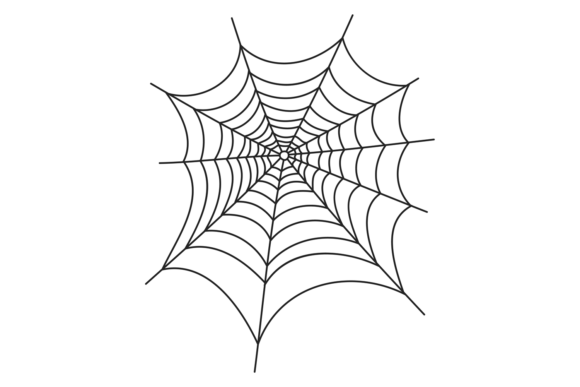
In the rush to decorate, it is easy to fall back on the same cliché spiral web seen in every cartoon. While recognizable, these generic patterns often lack the visceral reaction needed for truly scary decor. Real arachnid webs are irregular, messy, and chaotic. They tangle, sag, and break. Relying solely on perfect geometric spirals can make your design feel playful rather than terrifying.
To elevate your work, seek out patterns that mimic the irregularity of nature. Look for terms like "tangled," "corner web," or "sheet web" in addition to standard spiral designs. Mixing different types of webs within a single composition adds realism. For instance, combining a dense corner web with loose, dangling threads creates a sense of neglect and age. This approach is particularly effective for educators teaching biology through art, or bloggers creating content that needs to stand out in a saturated market. The goal is to evoke a feeling of unease, and irregularity is a key psychological trigger for that emotion.
Practical Steps for Better Results
Before finalizing your purchase or download, take a moment to evaluate the asset critically. Zoom in to 100% or higher to inspect the edge quality of the threads. Are they smooth, or do they look stair-stepped? Check the file size; unusually small files often indicate poor quality. If you are buying from a stock site, read the license agreement carefully. Some "free" downloads restrict commercial use, which could cause legal headaches for small business owners using the image in advertising.
Consider creating a mockup before committing to a full production run. Place the scary arachnid web over your intended background and view it on the actual device or print medium you will use. What looks good on a retina display might vanish on a printed flyer, and vice versa. Testing ensures that the contrast is sufficient and the details remain visible.
- Verify Resolution: Ensure raster images are high-DPI for print and vectors are available for scaling.
- Check Transparency: Confirm PNGs have no white halos and EPS/SVG files have clean paths.
- Match Lighting: Align the shadow and highlight direction of the web with your scene's light source.
- Vary Patterns: Mix geometric spirals with irregular, tangled webs for a more realistic and frightening effect.
- Review Licenses: Always confirm usage rights, especially for commercial projects and marketing materials.
By paying attention to these technical and artistic details, you transform a simple graphic into a compelling visual story. Whether you are designing a haunted house flyer, decorating a café for the season, or creating digital art, the right approach to your decorative spider thread pattern makes all the difference. Avoid the shortcuts that lead to mediocre results, and instead invest time in selecting high-quality, versatile assets that enhance your creative vision. The result will be a presentation that captivates your audience and delivers the perfect amount of seasonal fright.