Evaluating Decorative Art Vintage Wedding Art for Your Event
In the landscape of modern event planning, couples and designers often seek elements that convey history, romance, and a sense of timeless elegance. Decorative Art Vintage Wedding Art has emerged as a significant category for those looking to infuse their celebrations with these qualities. This form of art typically encompasses digital or physical reproductions of classical paintings, botanical illustrations, architectural sketches, and ornamental designs from previous eras. When evaluating whether this style aligns with your specific wedding vision, it is essential to look beyond the aesthetic appeal and consider the practical implications of sourcing, formatting, and integrating these assets into a cohesive design strategy.
Understanding the Scope of Vintage Wedding Art
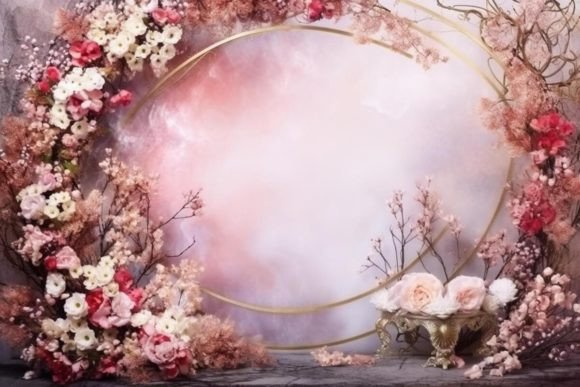
The term Decorative Art Vintage Wedding Art refers to a broad collection of visual materials drawn from historical periods, often ranging from the Victorian era through the mid-20th century. These images are frequently characterized by muted color palettes, intricate line work, and subjects that evoke nostalgia, such as floral arrangements, classical figures, or pastoral landscapes. In a digital context, these are often provided as high-resolution files, such as JPGs, intended for immediate use in various print and web applications.
It is important for buyers to understand that when purchasing bundles or individual files labeled under this category, the titles associated with the images may be randomly generated or generic. This is a common practice in stock photography and digital asset marketplaces to facilitate cataloging rather than to describe the specific content accurately. Consequently, the primary method of evaluation should be a visual inspection of the product images themselves. Relying on file names can lead to misconceptions about the subject matter, whereas a direct review of the thumbnails ensures the artwork matches the desired tone and composition.
Reasons for Choosing Vintage Aesthetics
There are several compelling reasons why individuals gravitate toward vintage decorative art for their weddings. Primarily, this style offers an instant establishment of atmosphere. Unlike modern minimalism, which relies on negative space and contemporary typography, vintage art brings inherent texture and narrative depth. For couples aiming for themes such as "rustic chic," "bohemian," or "classic romance," these images serve as foundational building blocks.
Furthermore, using pre-existing decorative art can be a cost-effective alternative to commissioning custom illustrations. Hiring an artist to create bespoke pieces for invitations, signage, and favors can be prohibitively expensive and time-consuming. By selecting from a curated library of Decorative Art Vintage Wedding Art, planners can achieve a polished, professional look without the lead times associated with custom work. This approach allows for greater flexibility in the design process, enabling users to experiment with different layouts and combinations before finalizing their print orders.
Benefits and Practical Applications
The versatility of vintage art files is one of their most significant advantages. Once acquired, a single high-quality JPG can be utilized across multiple touchpoints of the wedding experience. Common applications include:
- Invitation Suites: Incorporating botanical prints or classical borders to frame text.
- Signage: Enlarging artwork for welcome signs, seating charts, or bar menus.
- Table Decor: Using images as centerpieces, either framed or printed on acrylic.
- Digital Presence: Enhancing wedding websites and save-the-date emails with thematic visuals.
Another benefit is the ease of integration. Most modern design software, including Canva, Adobe Photoshop, and Illustrator, handles standard image formats like JPG seamlessly. This accessibility means that even those without advanced graphic design skills can manipulate these assets to fit their color schemes or layout requirements. The ability to layer these images with text or other graphical elements allows for a customized feel despite using stock resources.
Considerations and Tradeoffs
While the benefits are clear, there are tradeoffs and considerations that must be weighed. The most critical factor is resolution and print quality. When evaluating a product offering, such as a ZIP file containing a single JPG, it is vital to verify the dimensions and DPI (dots per inch) of the image. An image that looks crisp on a computer screen may appear pixelated or blurry when printed on large-format signage. Buyers should ensure the file specifications meet the requirements of their chosen printer.
Additionally, the randomness of file titles mentioned earlier requires a proactive approach to organization. Since the metadata may not be descriptive, users should immediately rename files upon download based on their visual content. This prevents confusion later in the design process when searching for specific elements, such as distinguishing between two similar floral arrangements.
There is also the consideration of exclusivity. Because these digital assets are often sold to multiple customers, there is a possibility that another couple could use the same imagery. For those seeking a truly unique identity, this lack of exclusivity might be a drawback. However, for most weddings, the likelihood of two events using the exact same background image in the same geographic area is relatively low, and the customization applied during the design phase usually differentiates the final product sufficiently.
When Vintage Art is the Right Fit
Decorative Art Vintage Wedding Art is a strong fit for situations where the goal is to create a warm, inviting, and historically grounded ambiance. It works exceptionally well for venues that already possess character, such as historic mansions, barns, or gardens, as the art complements the existing architecture and natural surroundings. It is also ideal for couples who have a clear visual direction but lack the budget or time for custom commissions.
If your design philosophy values curation over creation, this approach allows you to act as an editor, selecting the perfect pieces from history to tell your story. It is particularly effective for paper goods where texture and detail are paramount, as vintage styles often mimic the look of aged paper or traditional printing methods like lithography.
When to Consider Alternatives
Conversely, there are scenarios where alternatives may be more appropriate. If your wedding theme is ultra-modern, industrial, or futuristic, vintage decorative art may clash with the desired aesthetic. In such cases, abstract geometry, bold typography, or contemporary photography might serve as better foundational elements.
Furthermore, if brand consistency and absolute uniqueness are non-negotiable priorities, investing in a commissioned illustrator or photographer is the superior choice. Custom work ensures that every element is created specifically for your event, eliminating any risk of duplication and allowing for precise alignment with a specific color palette or motif that stock images cannot perfectly match.
Making an Informed Decision
Ultimately, deciding whether to utilize Decorative Art Vintage Wedding Art comes down to balancing your aesthetic goals with practical constraints. Begin by defining your core theme and identifying the emotional response you wish to evoke in your guests. If nostalgia and elegance are key, explore available collections with a critical eye focused on image quality rather than file names.
Before finalizing a purchase, request previews if they are not readily available, or examine the zoomed-in details of the product images to assess clarity. Consider how the art will interact with your chosen paper stock and printing method. By approaching the selection process with an evaluative mindset, you can leverage these beautiful historical assets to enhance your wedding design effectively, ensuring a result that feels both personal and professionally executed.
For those who find value in these resources, leaving feedback on the product page can help future buyers make informed decisions and support creators in continuing to offer diverse collections. Whether you choose to follow creators for updates or simply utilize the files for your upcoming event, the key lies in thoughtful integration and realistic expectations regarding the medium.