Bringing Life to Your Space: The Versatile Appeal of a Cacti Flower Houseplant for Decorative Homes
There is a specific kind of satisfaction that comes from placing a living thing on your desk and watching it thrive with minimal fuss. For many adults juggling careers, side hustles, and personal projects, the cacti flower houseplant has become more than just a trend; it is a practical solution for adding life to a decorative home without demanding hours of maintenance. Whether you are a freelancer working from a cramped apartment corner or a small business owner trying to make a retail space feel welcoming, these resilient plants offer a unique blend of aesthetic appeal and functional simplicity.
When we talk about a cacti flower houseplant in the context of a decorative home, we aren't just referring to the spiky green globes sitting on windowsills. We are talking about a design element that bridges the gap between nature and modern interior styling. The moment a cactus blooms, it transforms from a simple structural plant into a focal point. The contrast of delicate, vibrant petals against tough, armored stems creates a visual narrative of resilience that resonates with entrepreneurs and creators who value persistence. This natural drama makes them perfect for spaces where you want to inspire confidence and calm simultaneously.
Real-World Applications for Creators and Professionals
Consider the everyday reality of a content creator or blogger. Your background is your brand. When filming videos or taking photos for social media, a cluttered or sterile backdrop can detract from your message. A flowering cactus provides an instant pop of color and texture that signals creativity and care. Unlike high-maintenance foliage that might droop under hot studio lights or require daily misting, a cactus stands firm. It works particularly well for tech reviewers, educators, and marketers who need a clean, professional look that doesn't distract from the product or lesson at hand.
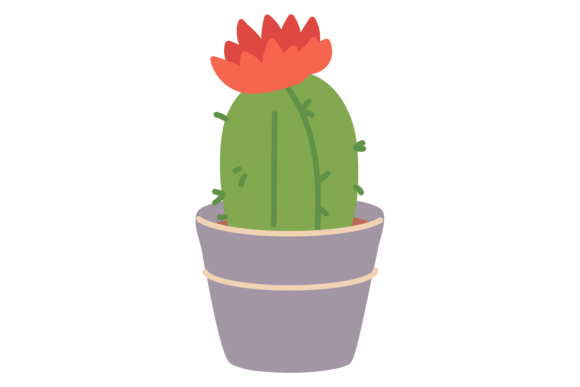
In the world of digital assets, the image of a cacti flower houseplant is equally valuable. Designers and publishers often seek high-quality icons isolated on white backgrounds—available in formats like EPS, JPG, SVG, or transparent PNG—to use in branding materials. Why? Because the silhouette of a blooming cactus is instantly recognizable and carries positive connotations of growth and endurance. A small business owner might use this graphic on their website's "About Us" page to symbolize their company's ability to thrive in challenging market conditions. An app developer could integrate a vector SVG of a flowering cactus as a reward icon for users who complete a difficult task, leveraging the plant's symbolism of achievement.
Enhancing Lifestyle and Wellness Spaces
Beyond the professional sphere, the integration of these plants into personal living spaces addresses a very human need for connection to nature, especially in urban environments. For hobbyists and everyday users living in apartments with limited sunlight, selecting the right variety of flowering cactus is a game-changer. Many people assume all cacti need blazing desert sun, but several species adapted for indoor use flourish in indirect light, making them ideal for north-facing rooms or office cubicles.
The psychological benefit cannot be overstated. After a long day of screen time, looking at a living organism that is quietly blooming offers a moment of grounding. It is a tangible reminder that growth happens slowly and steadily. For parents teaching children about responsibility, a cactus is often the first step. It forgives occasional forgetfulness regarding watering schedules, yet rewards consistent care with spectacular flowers. This low-stakes introduction to gardening builds confidence before moving on to more demanding plants.
Choosing the Right Plant for Your Specific Needs
Before you rush to buy a cactus or download a graphic asset, it is crucial to consider your specific environment and goals. Not all flowering cacti are created equal. If your goal is immediate visual impact for a staged photo shoot or a real estate listing, you might opt for a Gymnocalycium, known for its large, colorful blooms that appear relatively easily indoors. However, if you are looking for a long-term companion for your home office that offers seasonal surprises, a Schlumbergera (Christmas Cactus) might be the better choice, as it thrives in typical household humidity and temperatures.
For those utilizing digital resources, the format matters just as much as the image itself. If you are a marketer creating a scalable campaign, an SVG file ensures your cactus icon looks crisp on everything from a mobile banner to a billboard. If you are a blogger needing a quick featured image, a high-resolution JPG with a transparent background allows you to overlay the plant onto various colored headers without awkward white boxes. Understanding these technical nuances ensures that the resource serves its purpose effectively, whether it is a physical plant on a shelf or a pixel-perfect graphic on a screen.
Practical Considerations for Care and Usage
Owning a physical cacti flower houseplant requires a shift in mindset compared to traditional ferns or leafy greens. The most common mistake enthusiasts make is over-love, specifically in the form of over-watering. In a decorative home setting, these plants are often placed in beautiful, unglazed ceramic pots that look stunning but may lack drainage holes. To avoid root rot, it is essential to either drill holes in your decorative container or use a nursery pot hidden inside. This practical step ensures your decorative centerpiece doesn't become a compost heap.
Lighting is another variable that dictates success. While they are hardy, flowering cacti generally need more light to produce blooms than to simply survive. Placing them near a window where they receive bright, indirect light for several hours a day is usually the sweet spot. For the digital nomad or frequent traveler, this lighting requirement means choosing a spot that remains consistent even when furniture gets rearranged. The reliability of the plant supports a dynamic lifestyle rather than hindering it.
The Intersection of Nature and Commerce
Small business owners, particularly in the hospitality and retail sectors, utilize flowering cacti to define zones within a space. A row of blooming cacti on a café counter can subtly guide customer flow while adding warmth to an industrial interior. Because they occupy vertical space without spreading wide, they are perfect for narrow shelves or window ledges where floor space is premium. This efficient use of square footage is a critical consideration for startups operating in tight budgets.
Furthermore, the imagery associated with these plants drives engagement. Social media posts featuring a rare cactus bloom often generate higher interaction rates than standard product shots. This phenomenon taps into the audience's appreciation for natural beauty and rarity. Marketers can leverage this by documenting the journey of a plant from bud to bloom, creating a narrative arc that keeps followers engaged over weeks. It turns a static object into a story, fostering a deeper connection between the brand and the consumer.
Ultimately, whether you are holding a physical pot in your hands or manipulating a vector file on your computer, the cacti flower houseplant represents a versatile tool for enhancement. It fits seamlessly into the lives of busy professionals, creative minds, and home decorators who seek beauty without burden. By understanding the specific needs of the plant and the strategic applications of its imagery, you can transform a simple addition into a powerful element of your personal or professional ecosystem. The key lies in matching the right variety or asset to your specific context, ensuring that the result is not just decoration, but a meaningful contribution to your environment.